Foresite Catalyst
MXDR for Google Cloud
From AI-driven SecOps to cloud security automation, Foresite delivers fully managed and scalable security solutions tailored for enterprise, hybrid, and multi-cloud environments.
From our Adaptive Security Model to our Google Cloud & Wiz Premier Partnerships, we combine deep expertise, purpose-built technology, and customer-first flexibility.
Combine Google’s native security power with Foresite’s expert-driven, AI-powered operations to secure your cloud and unlock business growth.

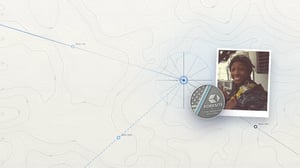
Part of Foresite's The Mission Endures series, marking Veterans Day.
Every Veterans Day, I think about my shipmates. There were fun times, of course, but there were also times when a high-stakes decision needed to be made, and a mistake could mean literal life or death.
Those moments taught me something I've carried with me into every phase of life: the solution rarely comes from the person who thinks exactly like everyone else. It comes from the person who can see the problem from a different angle.
This year, I want to honor my fellow veterans by talking about something the Navy taught me long before I had words for it. Diversity of thought isn't a slogan. It's a mission capability.
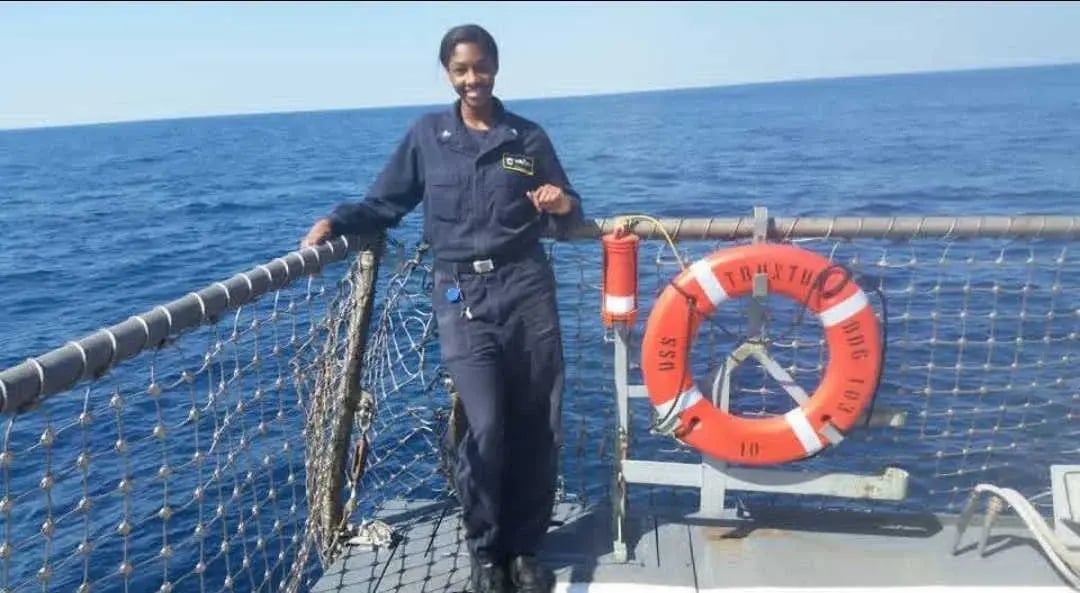
The Navy and STEM share a culture built on discipline, precision, and high stakes. Both reward people who can stay calm under pressure and solve problems with incomplete information. They also share the historical tendency to recruit, promote, and listen to people who think the same way.
When I reported aboard the USS Truxtun as an Information Systems Technician, I quickly learned what it meant to be one of three women on a team of fifteen keeping the ship's networks and communications running. When I moved into the civilian tech world, I walked into the room and felt that same familiar quiet. Different deck, same math.
In both worlds, I had to prove I belonged before anyone heard my ideas. In both, others assumed I would be in a supporting role rather than essential to the mission. In both, I learned I had to show up more prepared than anyone expected, because I knew I wouldn't get a second first impression.
But here's what I didn't expect. Being the outlier gave me an advantage. I noticed things others didn't. I asked the questions that felt obvious to me but had never occurred to the group. I used my different experiences to reframe problems in a way that suddenly made them approachable.
Those teams of identical thinkers had identical blind spots. When everyone shares the same assumptions, nobody is positioned to challenge them.
My peers tend to approach problems with high urgency and an action-oriented mindset, while I tend to approach problems starting from a broader perspective, thinking more contextually. Sailors have trained for worst-case scenarios, kept critical systems online hundreds of miles from shore, and made decisions when there was no time to wait for perfect data. That mindset is drastically different from someone who came straight from a university lab where data is king and failure is an expected and acceptable outcome.
The point is not that one perspective is better. Diversity of thought is about expanding the range of perspectives a team can bring to a problem: how we were raised, where we've served, what we've struggled with, and how we've learned to adapt.
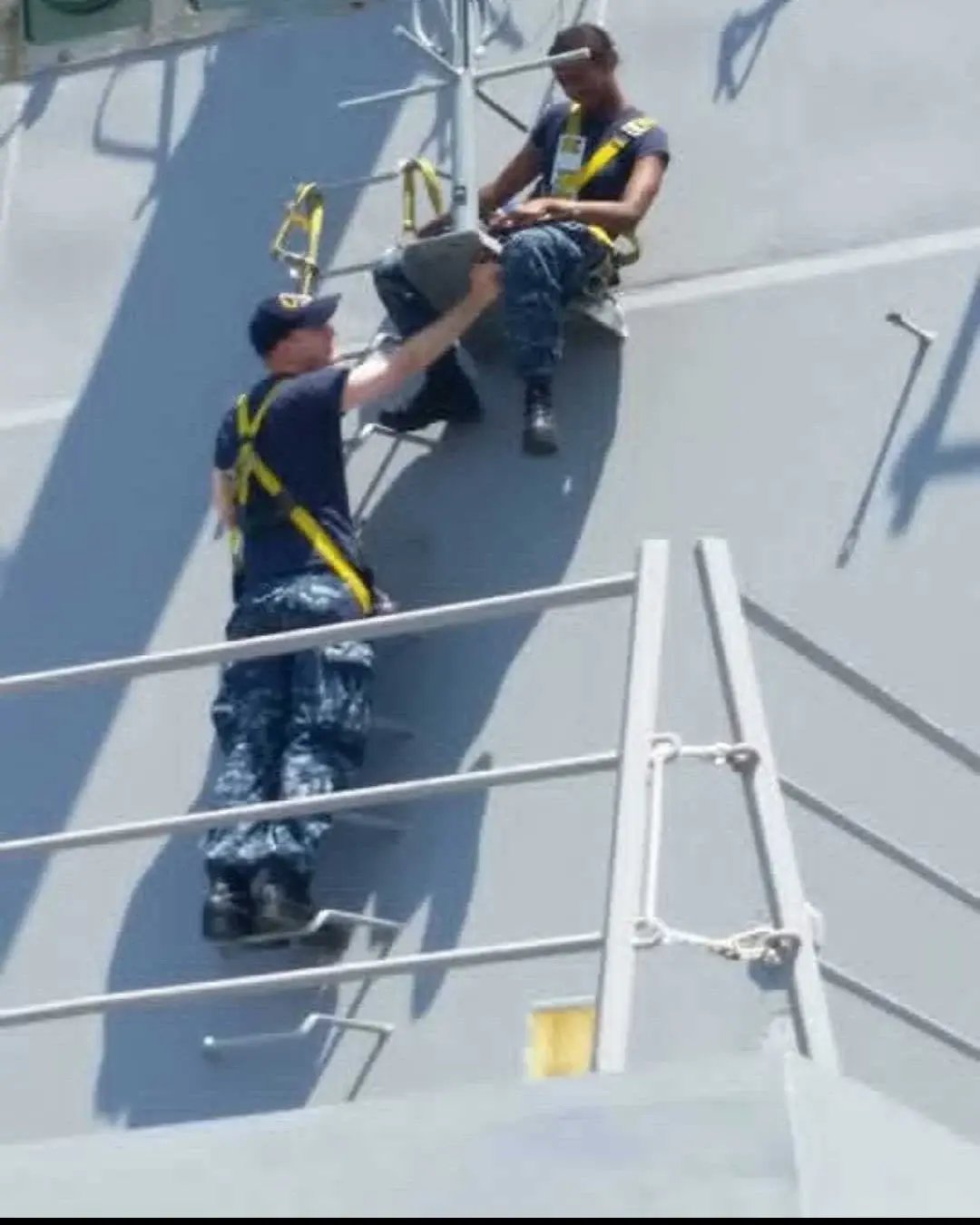
Innovative breakthroughs happen when one way of thinking runs into another. A team with varied perspectives catches flawed assumptions earlier, considers more possible solutions, and anticipates how real people will actually use what they build.
I've seen it firsthand. Some of the best technical solutions I've been part of started with someone interrupting a familiar line of thinking with a question that stopped progress in its tracks. The sailor who asked “would a rubber band hold it together long enough for us to make it to port?” was the person in the room with the least conventional background, and that question saved us weeks of building the wrong thing in lieu of the simplest solution. Once the immediate problem was solved, we were able to spend more time and energy planning a long-term, scalable, and effective solution.
Diversity of thought accelerates innovation because it shortens the distance between a bad idea and a better one. Diverse teams may debate more, but they arrive at stronger answers and get there with fewer costly detours.
A carrier strike group works only when every ship, and every sailor on every watch station, has the standing to speak up about what they see. STEM is learning the same lesson, one product, one innovation, and one hire at a time.
This Veterans Day, I'm grateful for every shipmate who stood watch beside me, including the ones who were skeptical at first and became my strongest advocates. They showed me that trust is earned through competence, and that the right team looks past the surface to the value underneath.
If you lead a team, I'd ask you to do one thing this week. Look around your table and ask whose perspective is missing. Then go find it. Hire the veteran whose resume doesn't fit your usual template. Mentor the young woman who is the only one in her cohort. Make space for the quiet voice with the unusual idea.
To my fellow veterans, and especially to the women who served: thank you. Your perspective was a strength underway, and it is a strength now. Never let anyone convince you otherwise.
Have you served, or are you serving now? If you’re a Foresite customer or partner, we’d be honored to send you a Mission Endures challenge coin.
Available while supplies last.