Foresite Catalyst
MXDR for Google Cloud
From AI-driven SecOps to cloud security automation, Foresite delivers fully managed and scalable security solutions tailored for enterprise, hybrid, and multi-cloud environments.
From our Adaptive Security Model to our Google Cloud & Wiz Premier Partnerships, we combine deep expertise, purpose-built technology, and customer-first flexibility.
Combine Google’s native security power with Foresite’s expert-driven, AI-powered operations to secure your cloud and unlock business growth.

Part of Foresite's The Mission Endures series, marking Veterans Day.
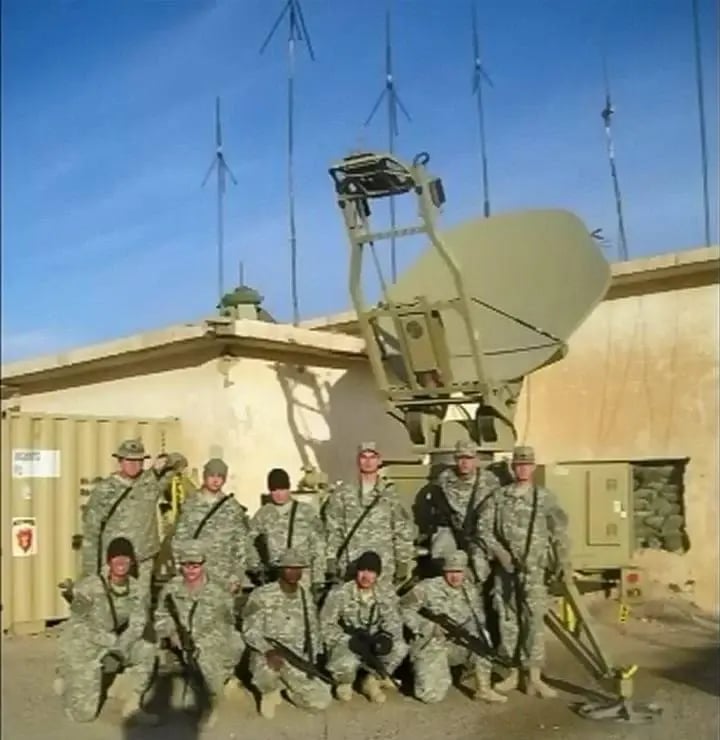
From September 2006 until November 2007, through the Iraq surge, the 3rd Battalion, 509th Parachute Infantry Regiment (PIR) operated under a simple, uncompromising reality: the fight never stopped. As the Battalion Signal Officer (S6), my responsibility was to ensure that every paratrooper, every patrol, every Air Assault raid and every command element maintained uninterrupted communications across secure voice and data networks. Nearly twenty years later, my daily uniform looks entirely different, but the fundamental operational environment feels strikingly familiar.
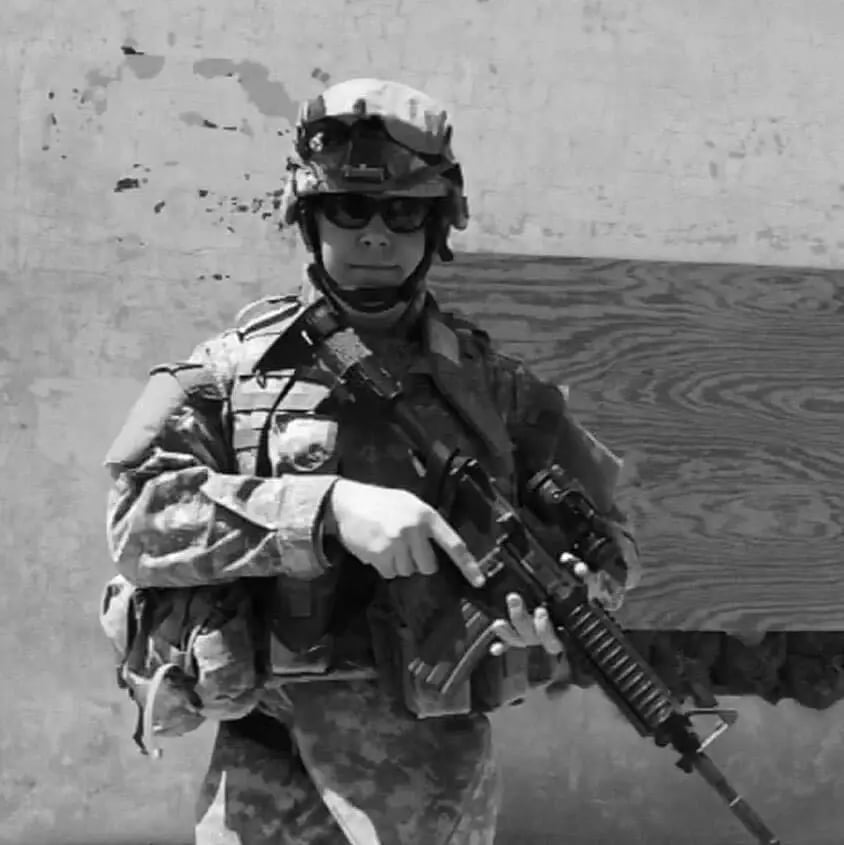
In enterprise cybersecurity, engineering teams and Security Operations Centers (SOCs) face attacks that never stop, and the pace will only increase with the rapid adoption of agentic attack tools. The fundamental problem, however, has not changed: how do you control and maintain complex systems while taking heavy fire, be that small arms, roadside bombs and indirect fire, or malware, social engineering and distributed denial of service attacks?
The answer now is the same as it was then: effective delegation, achieved through preparation, policy, and just the right amount of direct orchestration when needed.
In high-tempo combat, centralized command quickly becomes a bottleneck, yet it remains critical for coordinating effort.
If every operational decision, technical tweak and unexpected failure must be funneled through the Battalion Signal Officer, the network collapses under operational latency. When an infantry platoon is in a firefight at an intersection, they cannot wait twenty minutes for the S6 to approve a tactical frequency switch to restore communications. Conversely, uncoordinated individual action without any guidance or control practically guarantees disaster: units end up stepping on each other's frequencies, misconfiguring encryption keys and severing the common operational picture.
To solve this downrange, every critical system and functional area of responsibility had a designated primary and backup, trained to execute all required technical tasks in the absence of any other assistance. Above all, they were given skills that let them figure it out independently and act in ways that would not cause more problems than they solved. Just as important, they were trained to execute mitigation procedures within the framework of necessary governance.
At this point you might be wondering how this applies to modern cybersecurity operations, and particularly to cybersecurity operations in an agentic reality.
In modern cloud SecOps, defending against machine-speed agentic adversaries requires the same balance of predefined policy, specialized execution, operational guardrails and centralized human command. The major difference now is that some of the subordinates executing the mission are artificial intelligence.
Human analysts can't review every cloud event as it happens, any more than an S6 can manually tune every transceiver across an entire battle space. To close the velocity gap against automated adversaries, we must delegate to modern platforms like Google SecOps and to specialized agents like those within Wiz. To do so effectively, we must define procedures and regulate their behavior with effective guardrails.
Releasing autonomous security agents without governance creates technical anarchy. False positives run rampant, business-critical workloads get arbitrarily quarantined, and operational trust evaporates. AI agents also need their strict left and right limits.
The 509th's insignia carries the motto "All the Way." To me it reflects the Airborne ethos of dropping into chaotic, uncertain environments behind enemy lines and establishing order, control and mission success.
In modern cybersecurity, we may not be leaping out of C-17s into the midnight sky, but every day we step into an environment of relentless adversary activity and continuous technical churn.
There is no pause button. Tools will keep multiplying, vendors will keep releasing updates, and vulnerabilities will keep emerging. Success belongs to the organizations that delegate effectively, with the right mix of human-in-the-loop orchestration and capable, carefully regulated autonomous agents.
Have you served, or are you serving now? If you’re a Foresite customer or partner, we’d be honored to send you a Mission Endures challenge coin.
Available while supplies last.