Foresite Catalyst
MXDR for Google Cloud
From AI-driven SecOps to cloud security automation, Foresite delivers fully managed and scalable security solutions tailored for enterprise, hybrid, and multi-cloud environments.
From our Adaptive Security Model to our Google Cloud & Wiz Premier Partnerships, we combine deep expertise, purpose-built technology, and customer-first flexibility.
Combine Google’s native security power with Foresite’s expert-driven, AI-powered operations to secure your cloud and unlock business growth.

Part of Foresite's The Mission Endures series, marking Veterans Day.
Every Veterans Day, I think about the people I served with and the lessons that never really left me. I spent more than ten years in the United States Army as an infantryman, including two combat tours in the Middle East totaling 30 months. Today I work in cybersecurity at Foresite, and I'm struck by how much of what kept us going downrange is exactly what keeps a security team going today.
If I had to name the one thing that connects those two worlds, it's resilience: the ability to absorb pressure, adapt to whatever comes next, and keep moving. Missions don't pause because conditions are hard. The mission endures, and resilience is how we make sure it does.
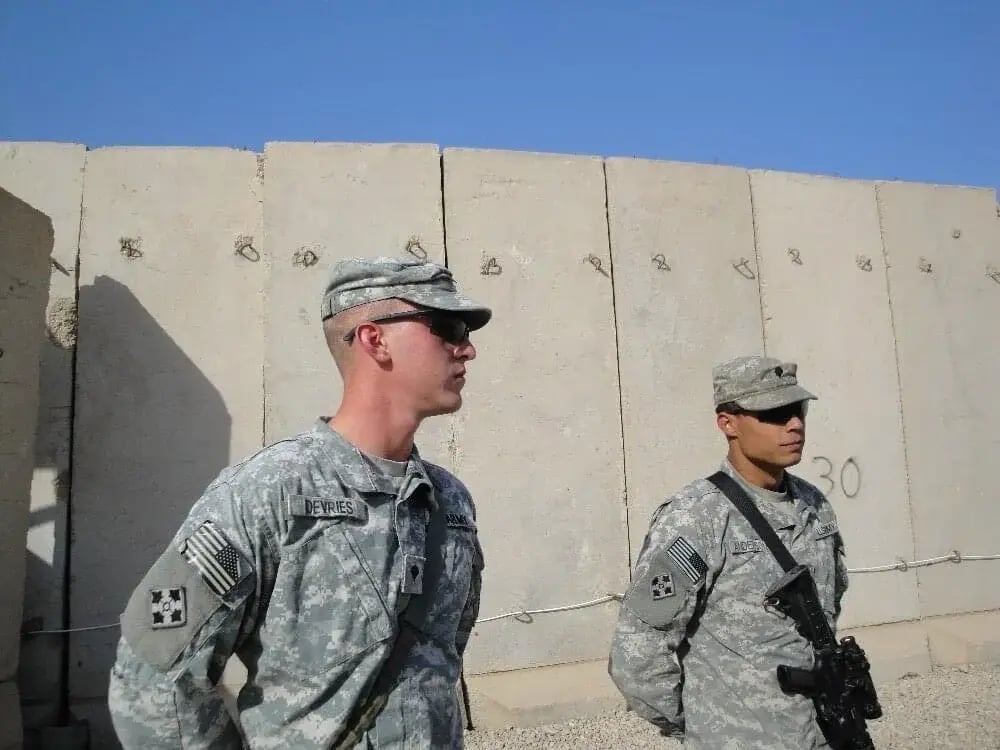
Nobody shows up to basic training resilient. The Army builds it on purpose, starting the day you arrive. Basic training strips away comfort and teaches you to function anyway. Training for your military occupational specialty (MOS) adds skill under pressure, so the job gets done when you're tired, uncomfortable, or unsure.
Then you get to your unit, and the preparation for deployment begins. Every field exercise, every rehearsal, every long night is designed to raise your tolerance for stress before the real thing arrives. By the time you deploy, resilience isn't something you think about. It's baked into who you are.
Deployed life doesn't follow a schedule. There were stretches where we went days or weeks without a shower. There were times we went a day or two without sleep, and weeks at a time when four hours a night was a good night. You never fully acclimate, because the stressors keep changing.
What matters is how you respond when the next one hits. You acknowledge it, you adapt, and you keep executing. There's no timeline to negotiate and no scope to push back on. The mission still has to get done, and it has to get done to standard.
Put cybersecurity next to military operations and the parallels line up:
That control doesn't come from nowhere. In the Army it came from rehearsals and training. In cybersecurity it comes from tabletop exercises, education, practice, and sandbox scenarios. Each one teaches a team how to respond to a new kind of stress, so that when it's real, the response is muscle memory.
In security services, you're rarely working one engagement. More often you're supporting a handful of customers at the same time, each with unique requirements, environments, and priorities. One needs an urgent fix; another needs a careful design conversation; a third is mid-incident.
The skill that carries over from the infantry is the reset. Finish one task, take a breath, and step fully into the next. You don't carry the weight of the last engagement into the room with the next customer. Short, deliberate recoveries between efforts are what let you sustain the pace without losing quality.
In the military, failing to handle stress can cost lives. In cybersecurity, the stakes look different, but they're still serious. A breakdown in resilience during an incident can affect people far beyond the security team. It can cost organizations money and halt their operations.
And sometimes the line between the two worlds blurs. When you're protecting a hospital or a medical organization, an incident can put patient care, and lives, at risk. That's when composure under pressure stops being a soft skill and becomes the job.
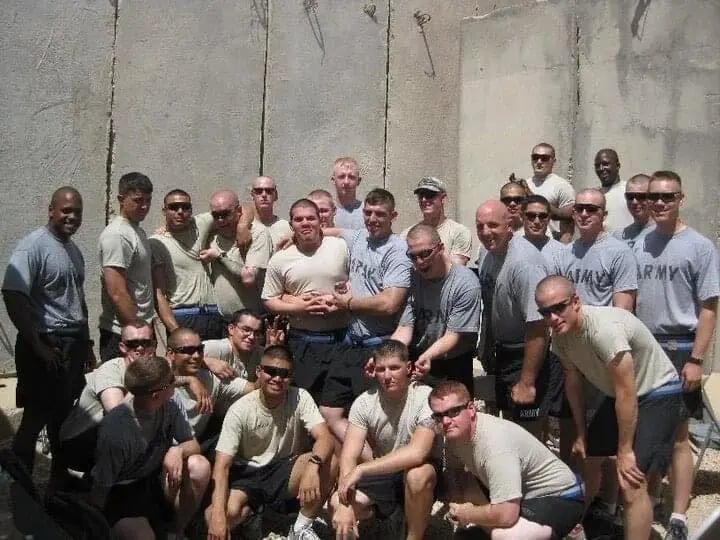
Resilience isn't about ignoring stress or grinding until you break. The Army taught me that recovery is part of readiness. You build coping mechanisms, you take the rest you can get, and you lean on the people beside you. A soldier who never recovers eventually stops being effective, and so does an analyst or engineer.
In cybersecurity, that means building teams and habits that prevent burnout: realistic workloads, rehearsed playbooks, clear roles, and space to reset between engagements.
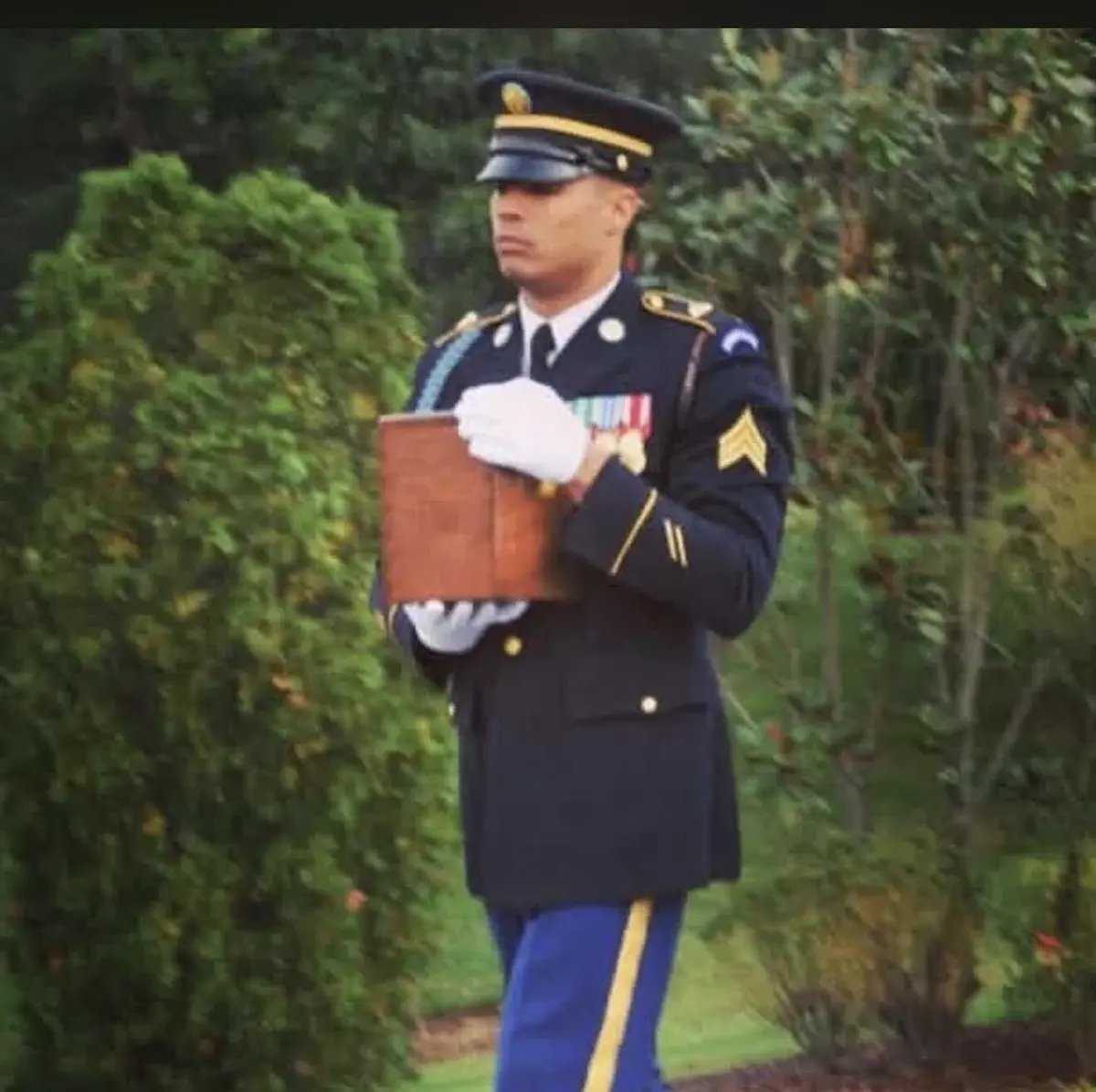
This Veterans Day, I'm grateful for everyone who has served and for the lessons that service gave us. Those lessons don't stay on the battlefield. They come with us into every new role, every incident, and every customer we protect. The uniform comes off, but the mission endures.
Have you served, or are you serving now? If you’re a Foresite customer or partner, we’d be honored to send you a Mission Endures challenge coin.
Available while supplies last.